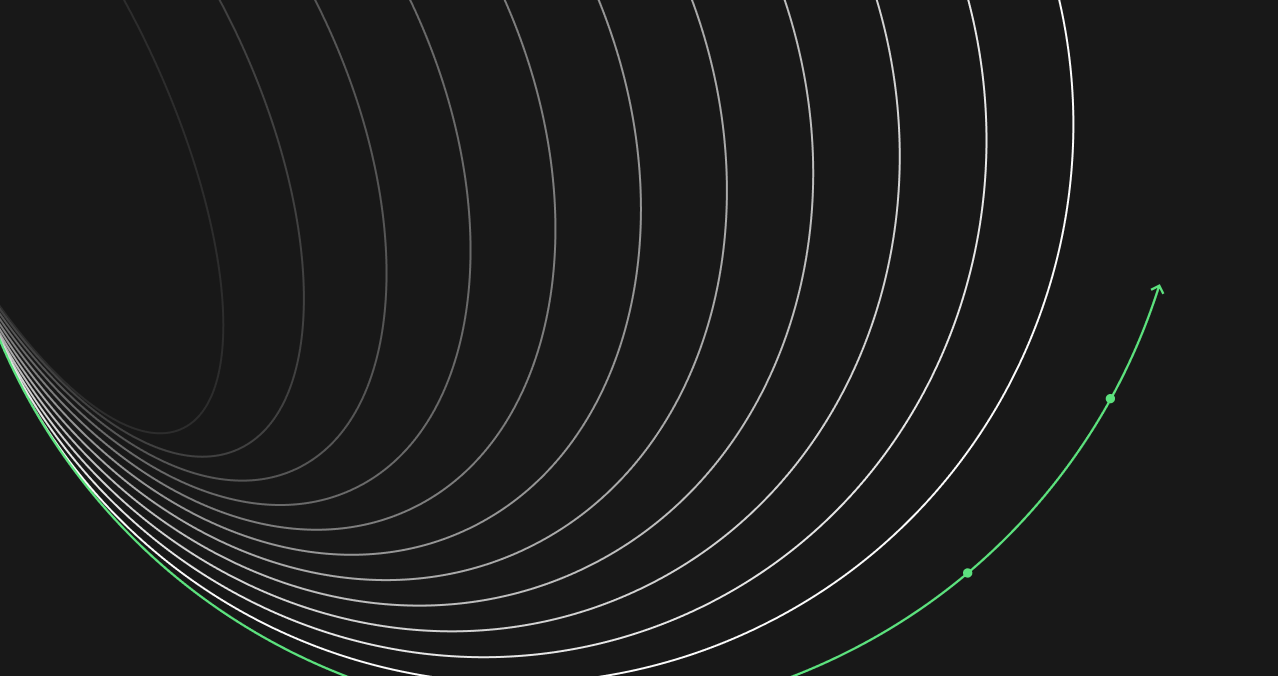
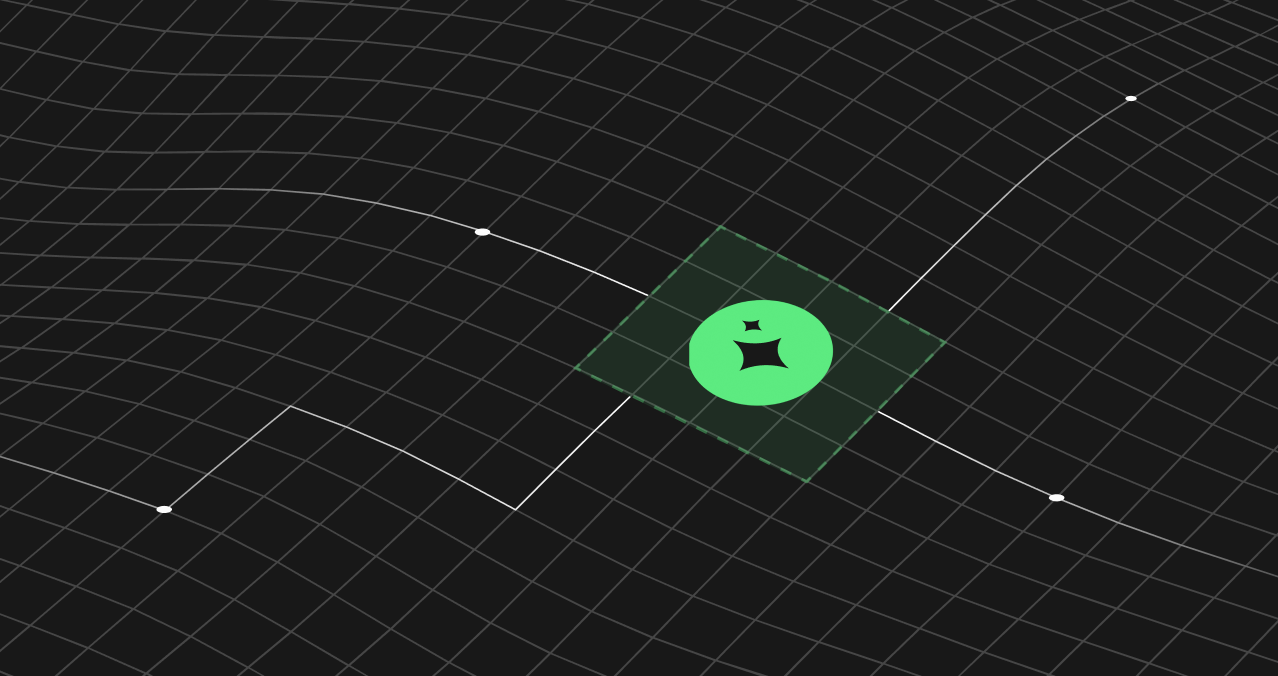
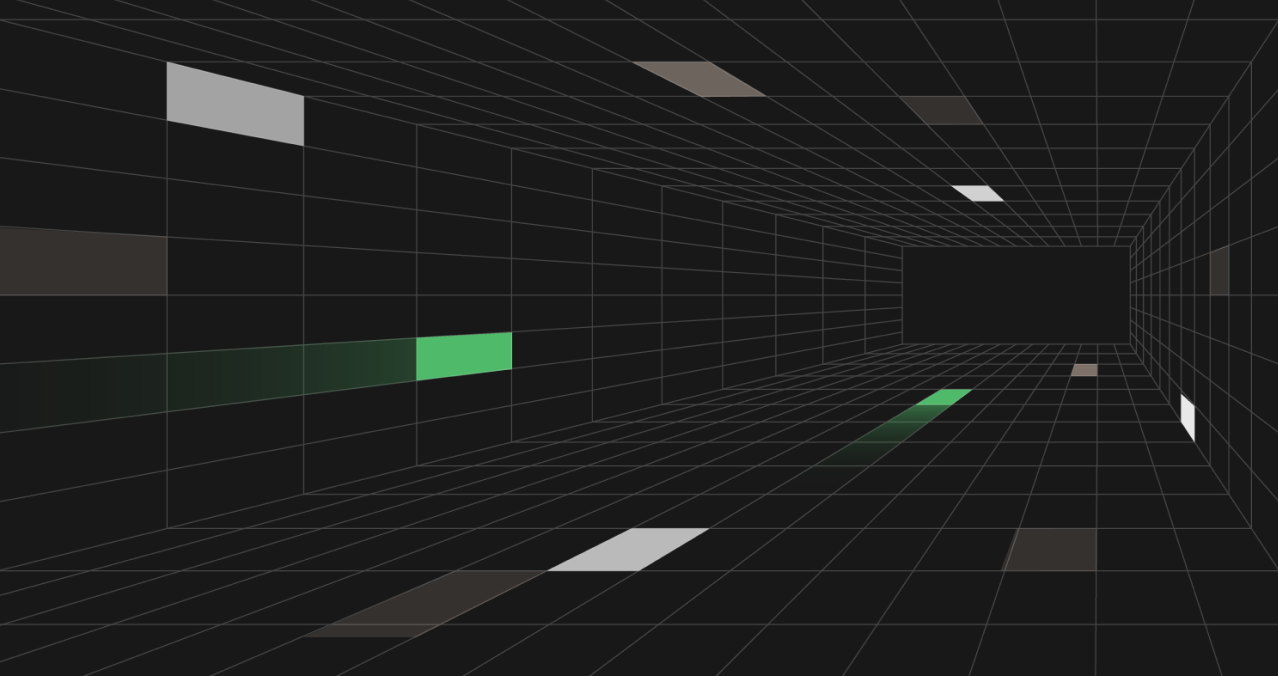
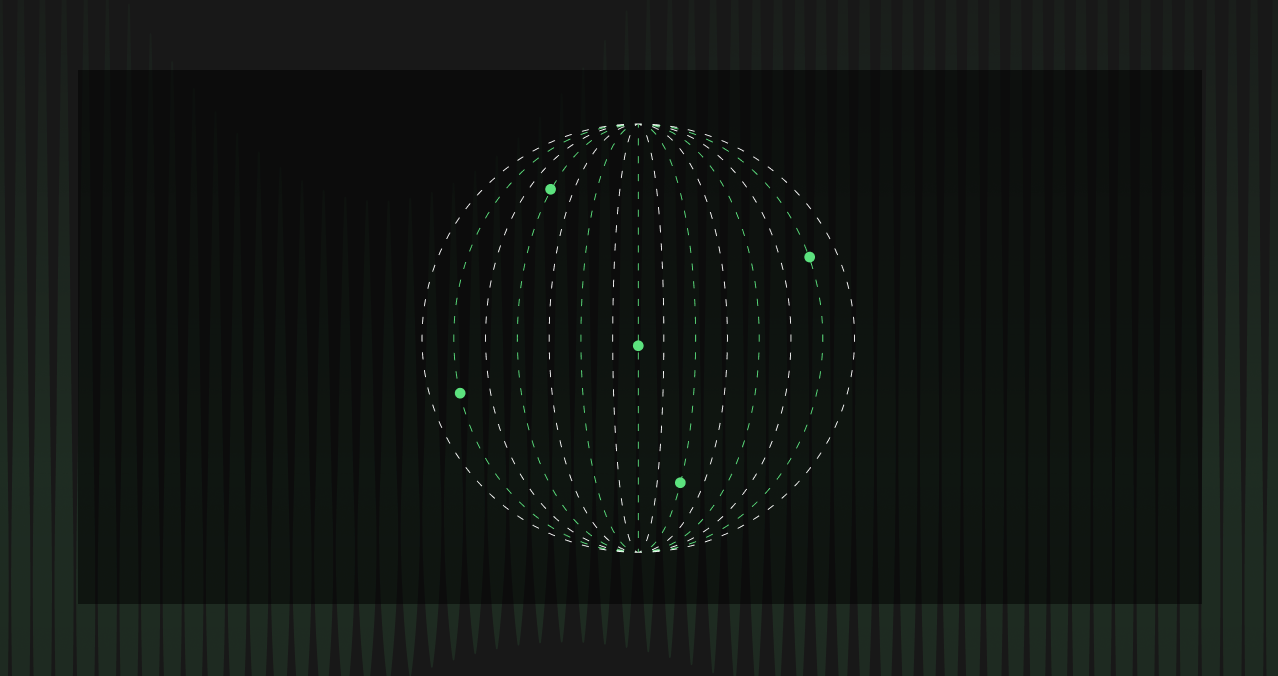
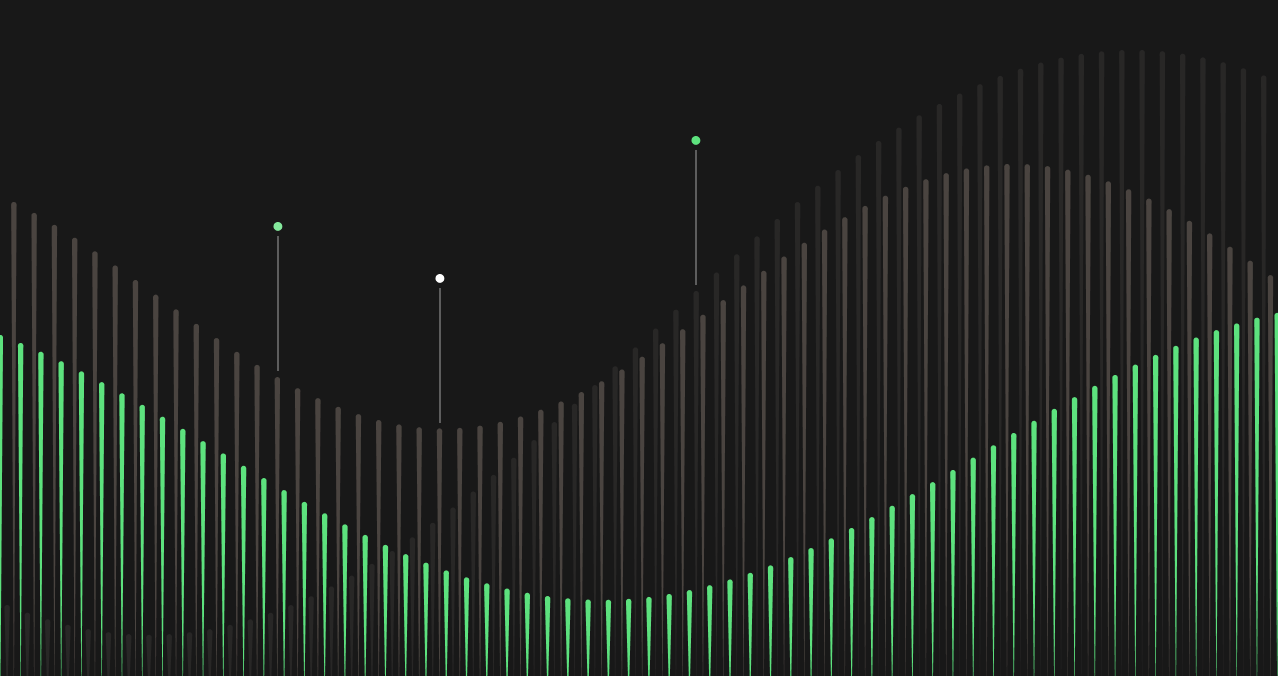
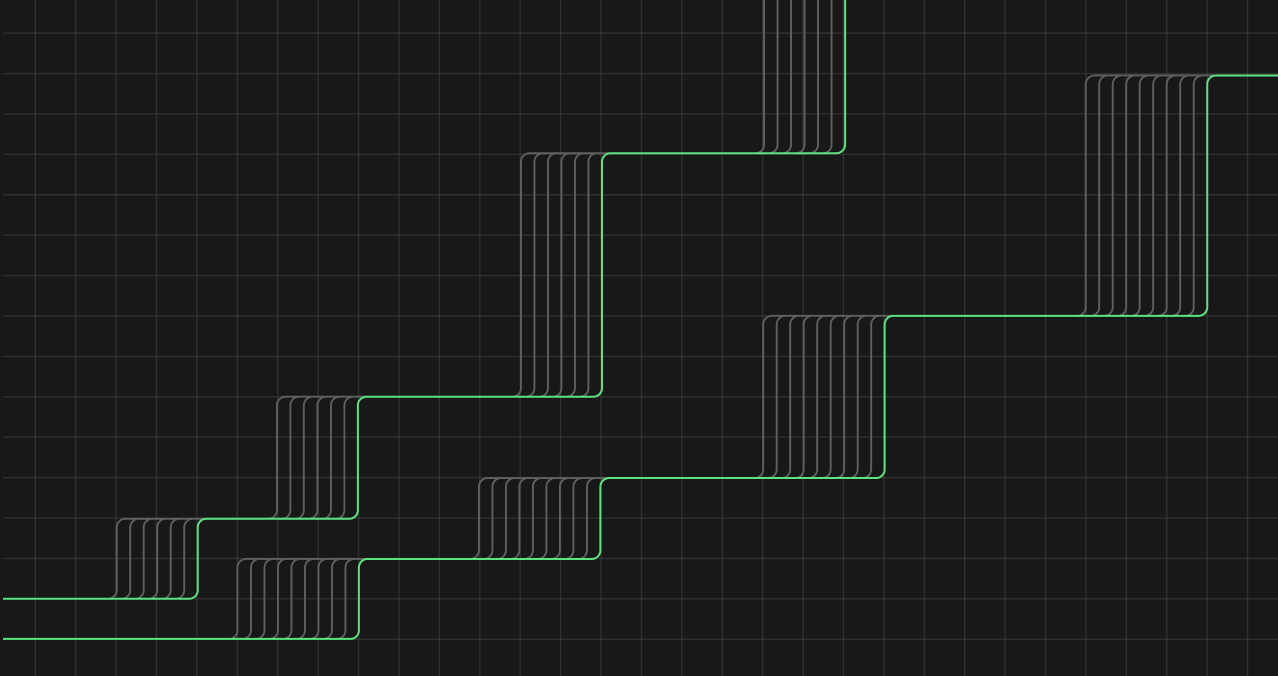
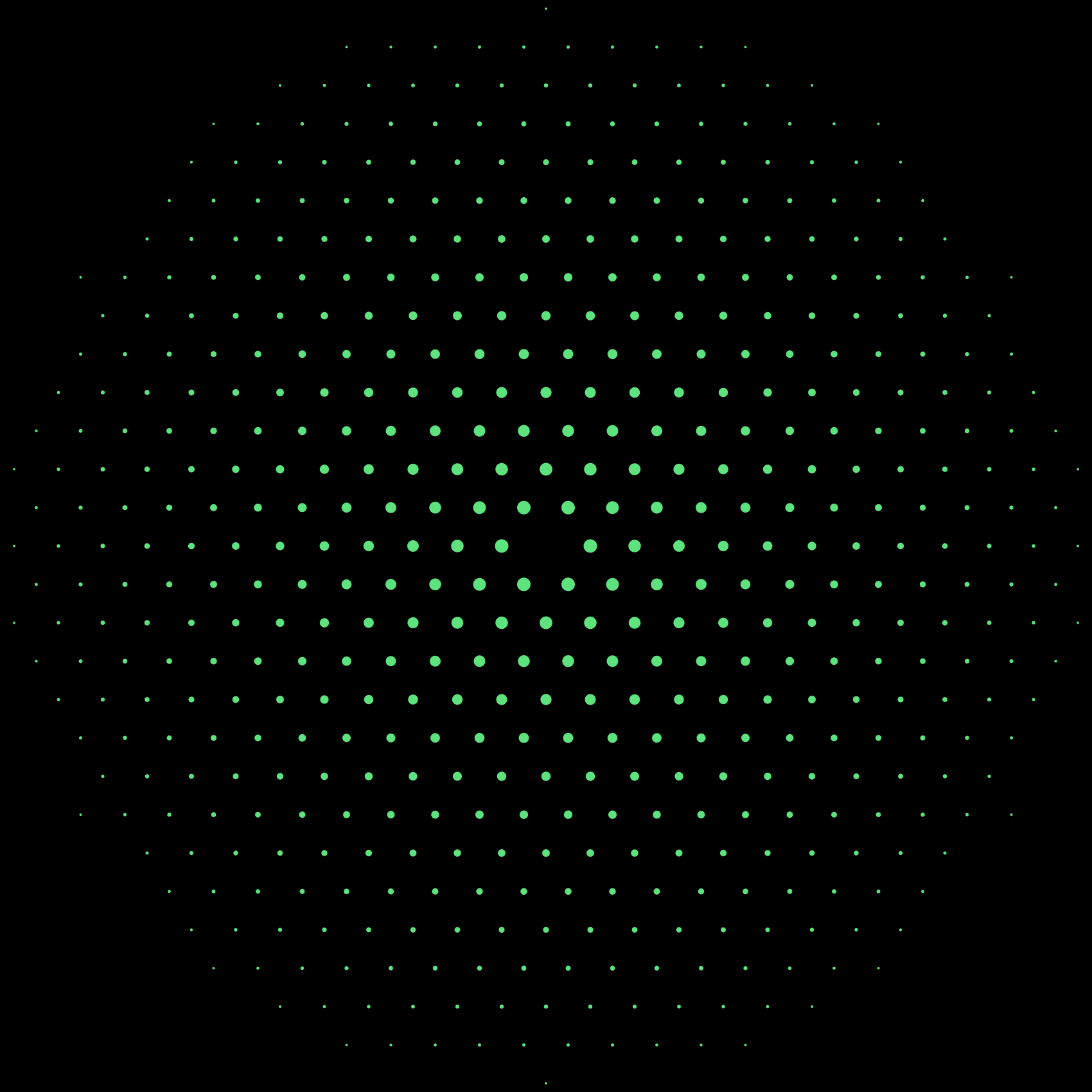
Illustration and pattern share one world with the logo: the signal, made visible.
No scenes, no characters, no metaphor clip-art — the system itself, drawn.
01
Drawn in nothing but the brand: ink, canvas, clay, and the signal green.The combination is the signature — see it, and it reads Salesloft.
02
The illustrations.
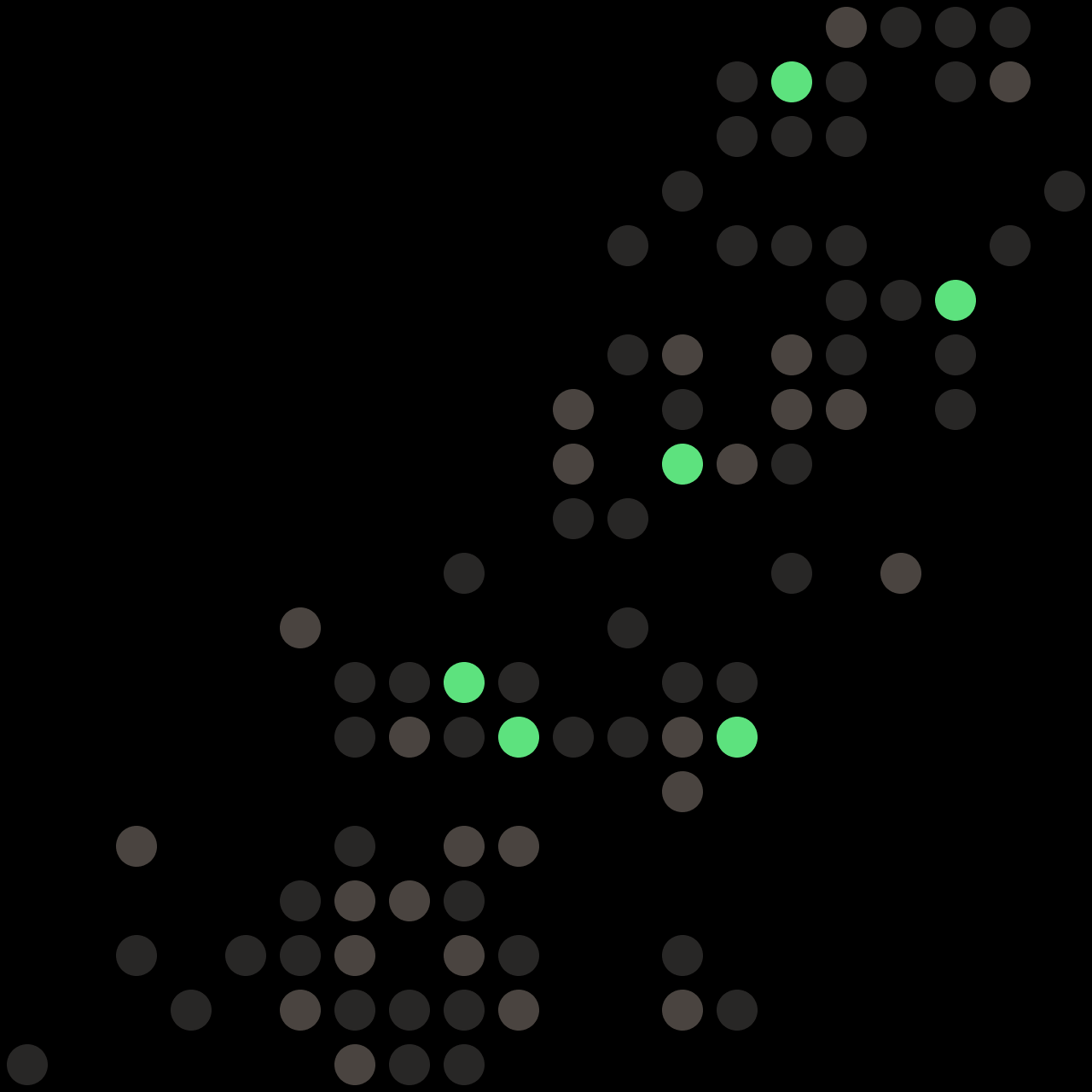
Abstract data pieces, one per product theme. Each one visualizes what the
product does — signals converging, pipelines flowing, forecasts resolving —
never what an office looks like.
→Brand colors only. Green, ink, canvas, and clay — no system colors, no new hues. The combination alone should read as Salesloft.
→Ink ground, always. Every piece lives on the dark stage; the light comes from the data.
→Thin structure. Hairline grids, orbits, and waves draw the space — precision is the aesthetic.
→Green is where the data lives. The full green scale is in play; the glow marks the signal moving through the structure.
→Depth from motion, not shadows. Perspective, waves, and density do the dimensionality — no drop shadows, no 3D renders.
03
One language, four behaviors.
Patterns are the dot language stripped to its atoms. What separates them
is not how they look — it’s how they behave in a layout.
The ambience
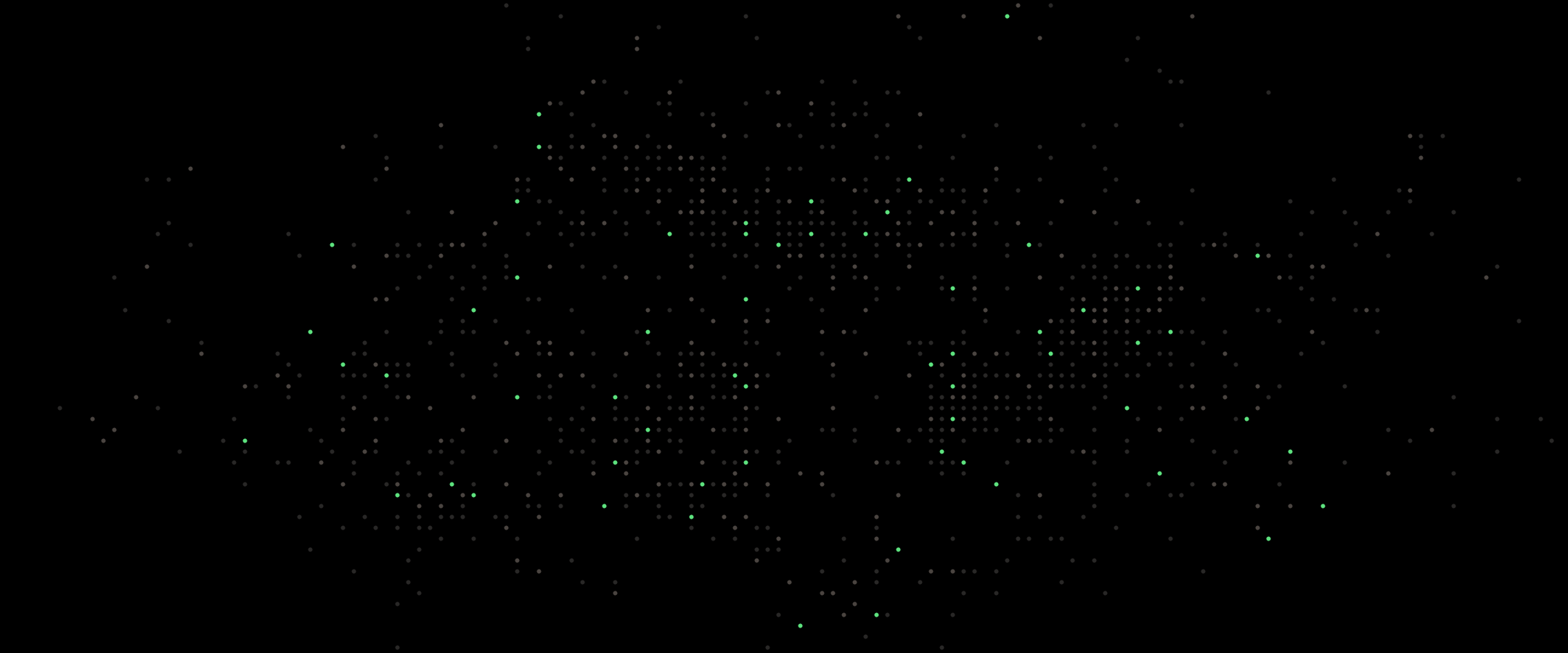
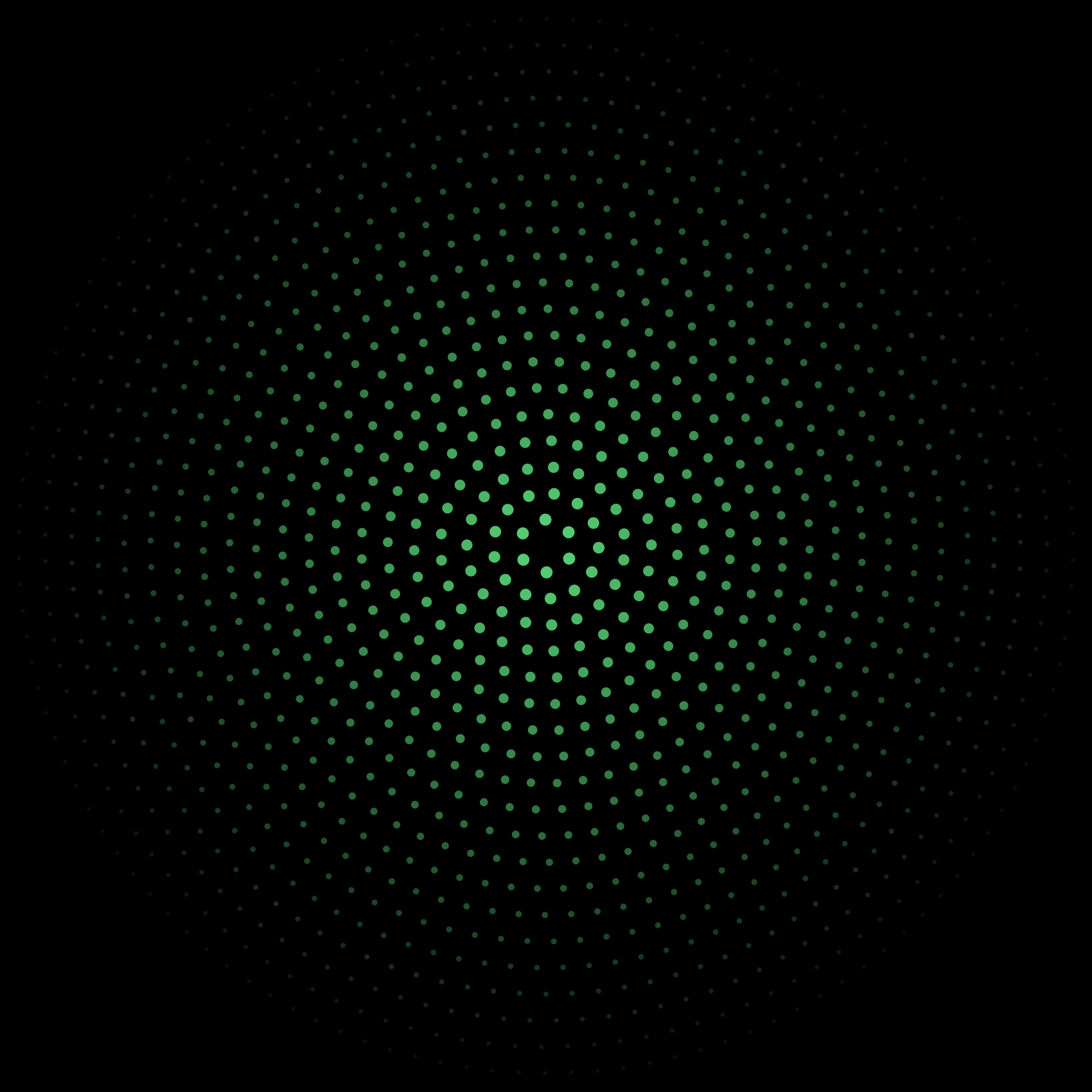
Signal Field.
A quiet dot atmosphere that sits behind content. It sets the temperature of a section and never asks to be read.
The object
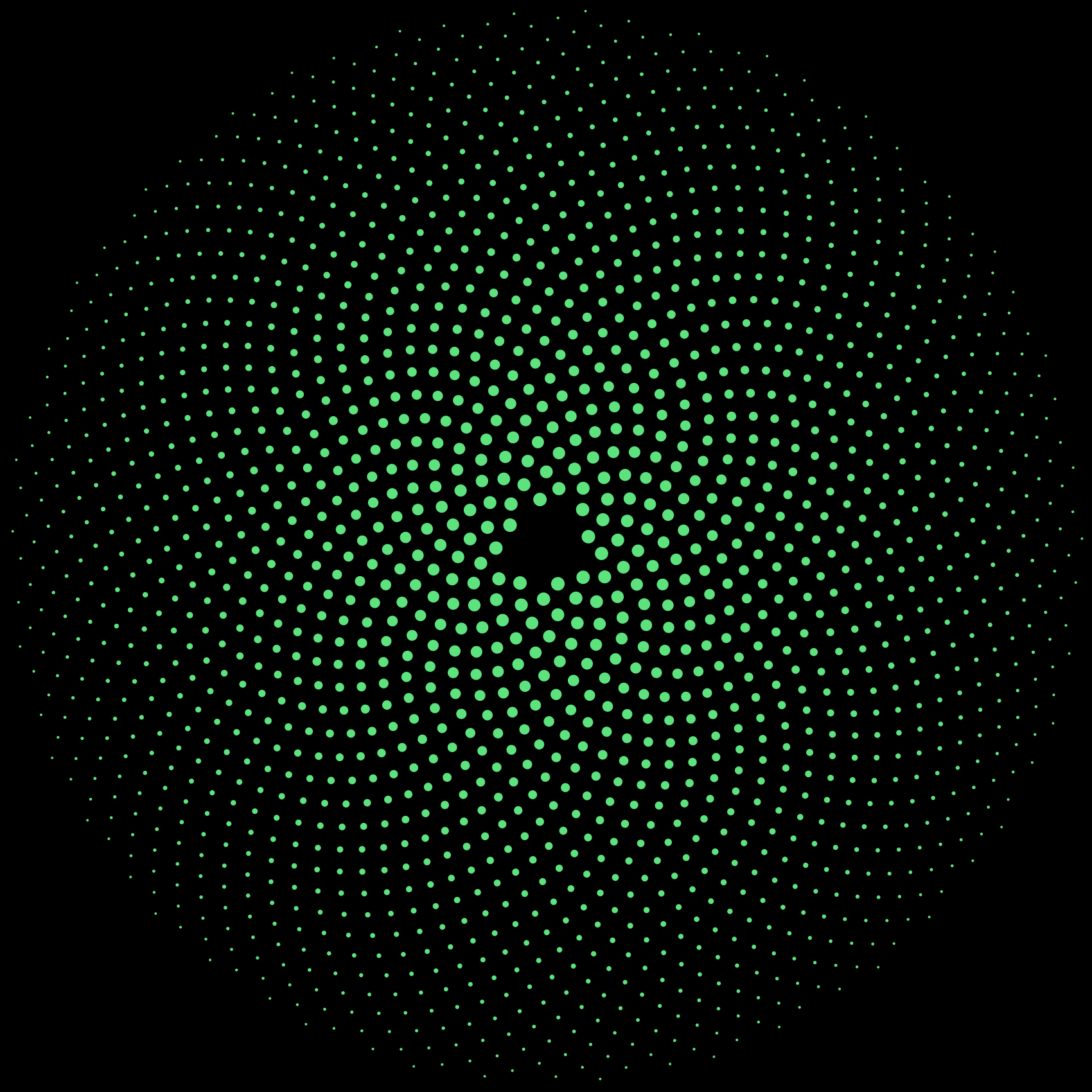
Radar.
A radial burst treated like an image: placed, sized, and composed as a focal element — an anchor, not a wallpaper.
The field, alive
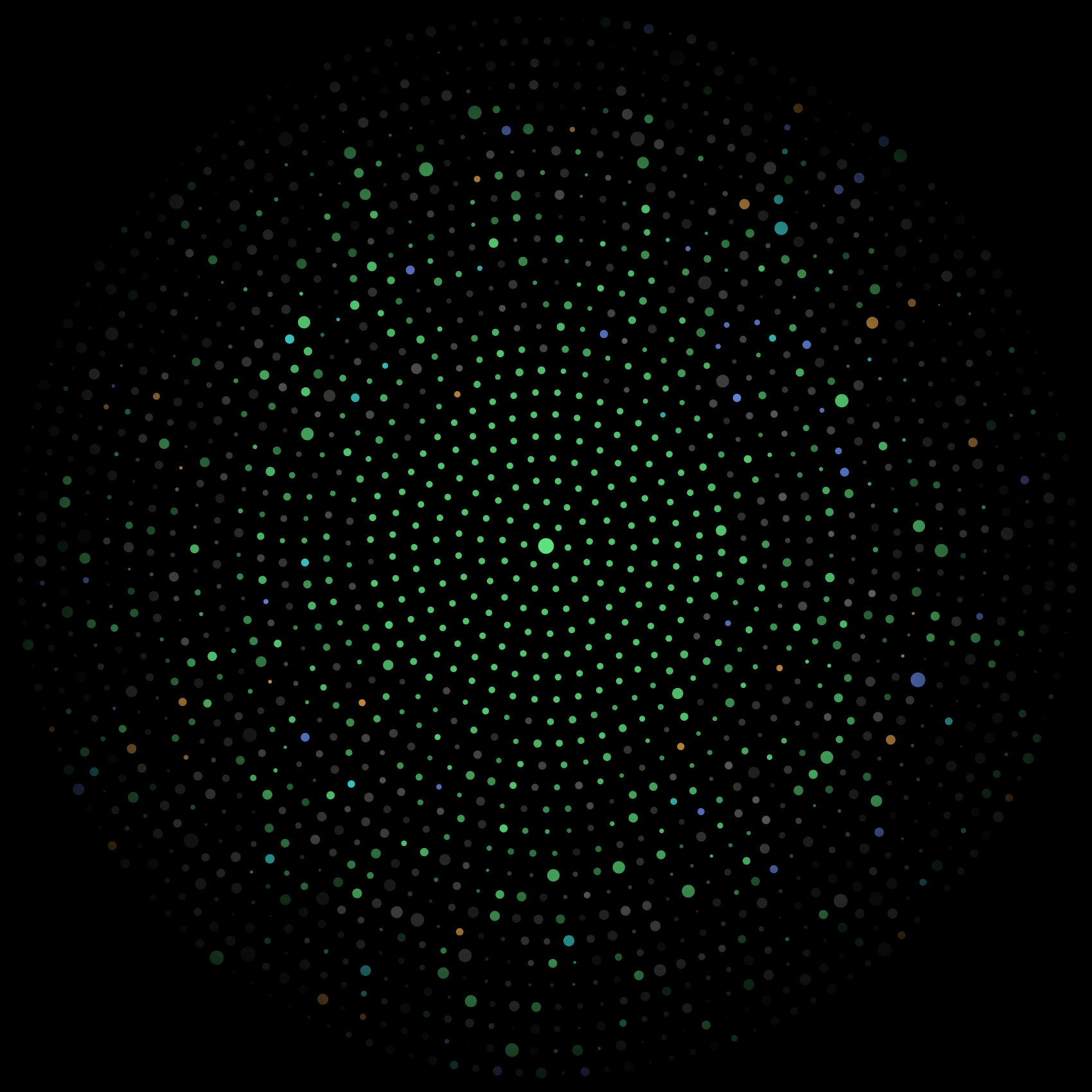
Dot Motion.
The field in motion: signals converging on a center, running quietly and continuously. The living version of the language.
The film
Halftone.
Real footage passed through the dot screen: the world itself, rendered in the brand’s own grain.
04
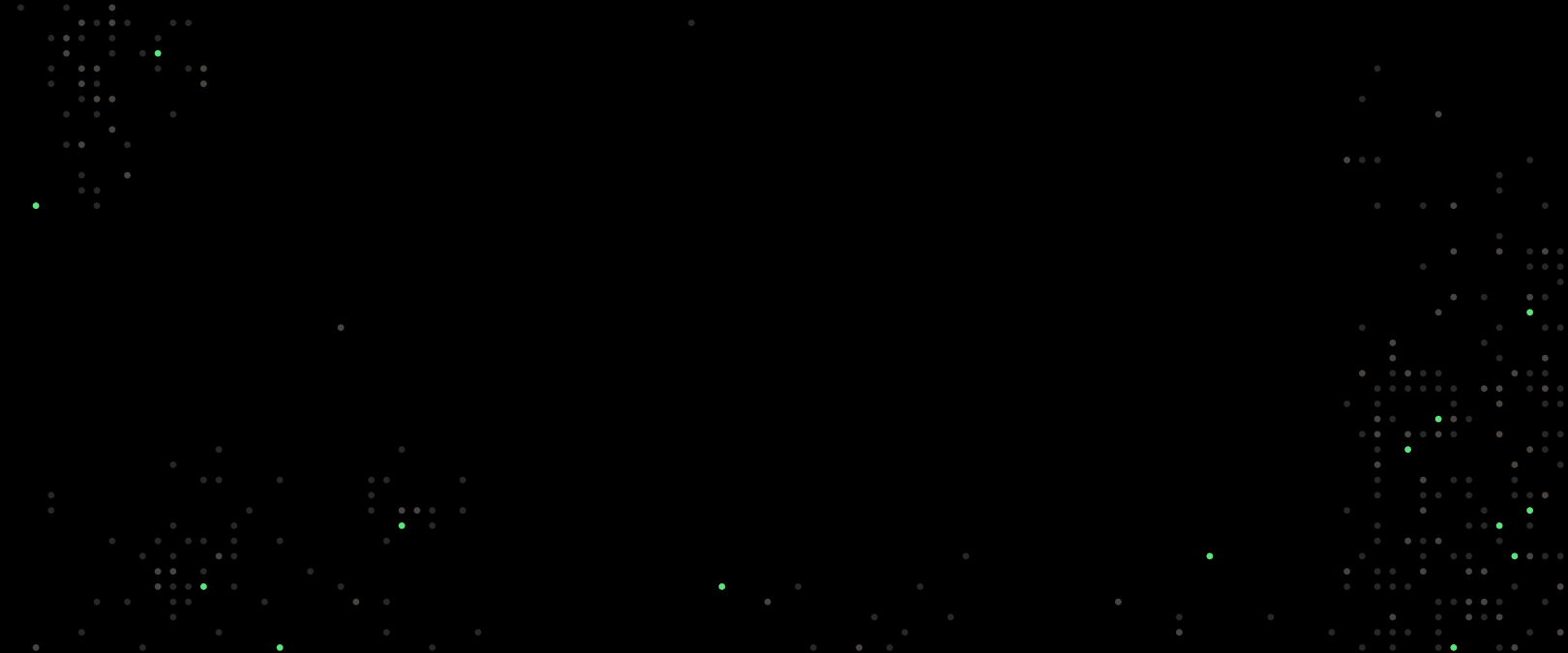
Signal Field.
The background layer. Two axes of variation: placement (cluster or edge)
and dot scale (standard or large). Keep it clear of the content — prefer edge placement,
or pull the opacity down when it must sit underneath.
Cluster · standard dots · 1440 × 600
Edge placement · 1080 × 450
Cluster · large dots · 640 × 640
05
Radar.
The object. Four expressions, one role: place it like an image,
sized and positioned as part of the composition — behind a stat, anchoring a section,
breathing next to a headline. Never tiled, never stretched.
MonoSpectrumBloomGrid
06
Dot Motion.
The homepage hero’s living field: signals converging on a center point,
quietly and continuously. A weighted green palette with rare teal, blue, and amber sparks —
the system colors, passing through. Honors reduced motion as a static constellation.
Live · dotfield.js · converging signals
→Hero and section backgrounds only. It behaves like Signal Field with a pulse — ambient, behind content, one per view.
→Always working. Offset phases, no visible loop — the motion rules from 08 · Motion apply as written.
07
Halftone.
Real footage through the dot screen — the hero treatment for the solutions
industry pages, with the product UI riding on top. Two grounds, chosen by the surface:
canvas on light pages, ink on dark.
Canvas ground · industry hero backdrop
Ink ground
→A backdrop, never the subject. The interface rides on top; the film keeps its contrast low and the ambience rules of Signal Field apply as written.
→The footage is the industry’s real work. The photography principles pass through the dot screen with it — real machines, real motion, no stock theatrics.
→One film per hero. It sets the scene once; sections below return to stills and fields.
08
The rules.
Everything here is scenery for the system’s story.
The moment a pattern competes with content, it’s failing.
→Fields stay out of the way. Edge placement first; if content must overlap, drop the field’s opacity until the copy wins.
→Radar is composed, not tiled. One per composition, scaled deliberately, cropped with intent.
→One focal illustration per view. Illustrations are content; two in a viewport fight each other.
✕Never stack an illustration on a pattern. One layer of the dot language at a time.
✕Never recolor, rotate, or stretch. The assets ship in their final form — crop and scale are the only moves.
✕Never use a pattern as the logo. The signal mark is drawn; the patterns are weather.
09
The source set.
This chapter shows the system; the source files live in Figma —
illustrations, both pattern families, and 4K exports of the fields.
Illustration & pattern sources.
Full-resolution originals behind this chapter, organized by family.
Dot Motion ships as code (assets/js/dotfield.js); the Halftone films live in assets/video.
 Brand guidelines · 2026Contact